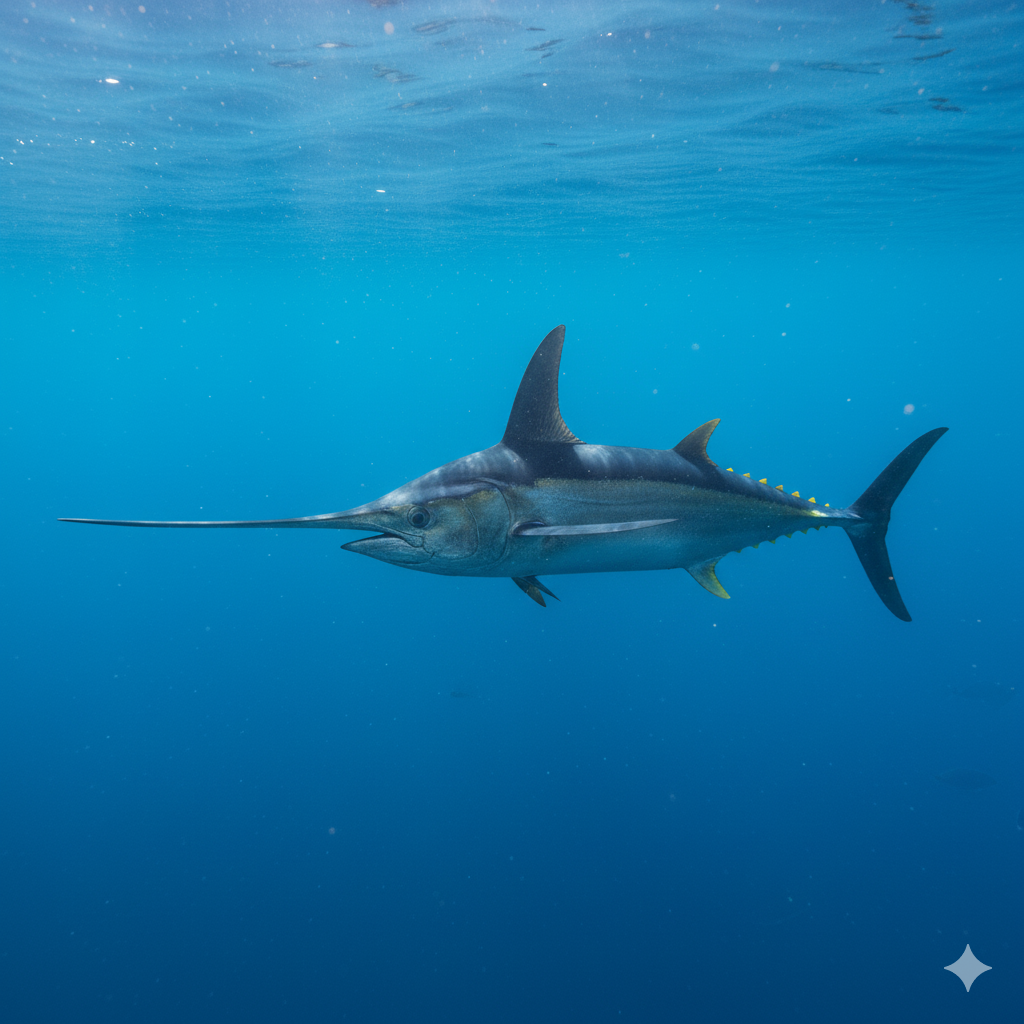
The ocean covers more than 70% of our planet, yet a vast majority of its depths remain unexplored. Historically, discovering, documenting, and classifying a new marine species took years of isolated research and physical archiving. Today, the landscape of oceanography and marine sciences has completely changed. Thanks to the rise of advanced digital platforms, researchers, divers, and marine enthusiasts can now access global biodiversity data in real time.
Modern marine biology websites are no longer just static digital magazines; they have evolved into comprehensive databases and interactive global atlases. Open-science initiatives now allow scientists to cross-reference taxonomic data directly with international standards, such as the World Register of Marine Species (WoRMS).
Why are these digital ecosystems so crucial for the future of our oceans?
Real-Time Taxonomy: They provide instantly updated classifications, ensuring that obsolete or unverified data is quickly corrected by the scientific community.
Global Collaboration: Researchers from different continents can share their findings, assign permanent DOI codes through platforms like Zenodo, and map biodiversity without geographical barriers.
Conservation Tracking: By providing accessible tools to monitor species distribution, these portals help identify ecological shifts, invasive species, and habitats threatened by climate change.
Whether you are a university researcher mapping coral reefs or a passionate scuba diver trying to identify a rare nudibranch, consulting accurate, data-driven resources is now the fundamental first step in understanding the complex web of marine life. The digital ocean is open, and it is transforming how we protect the blue planet.
Exploring the Digital Ocean: How Marine Biology Websites Are Revolutionizing Taxonomy