Giants of the Ocean: Why Saving Whales Means Saving Our Planet
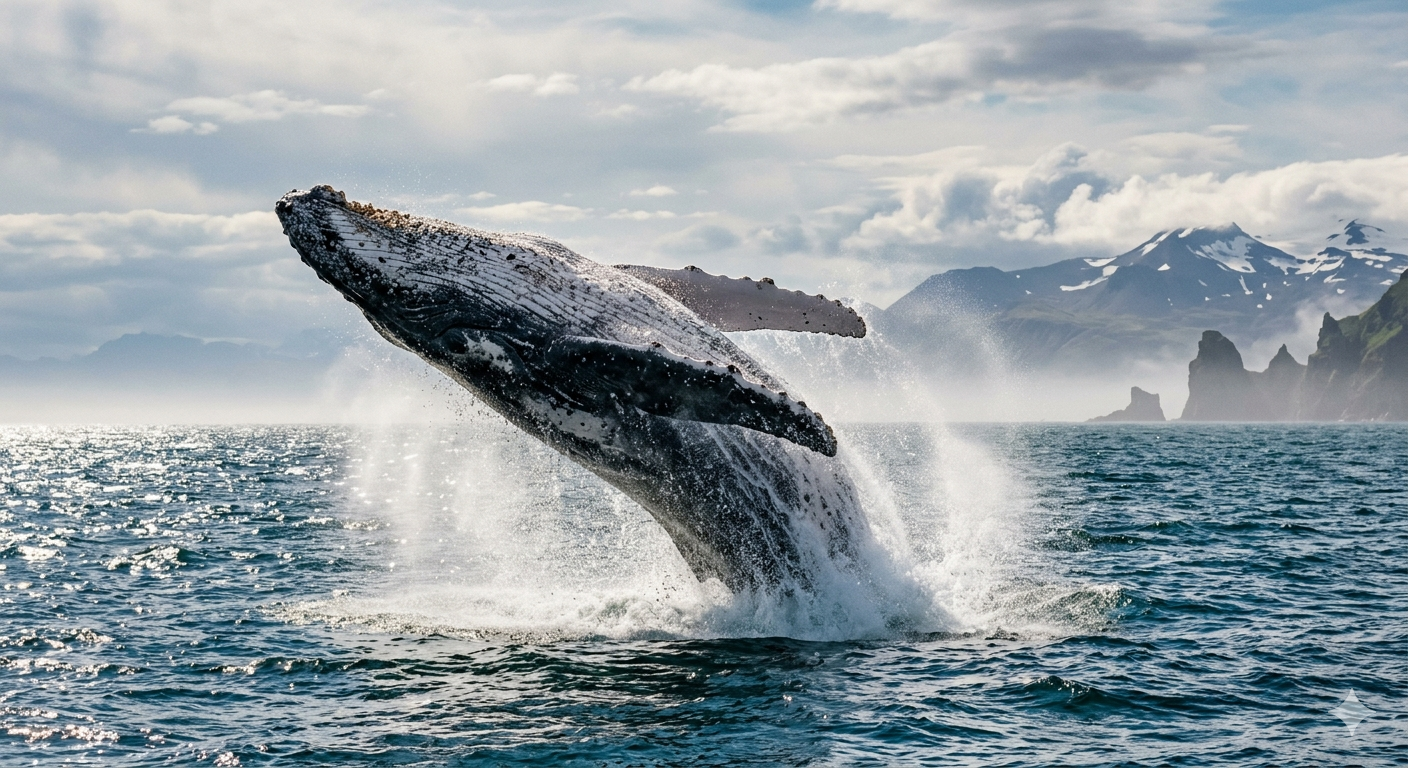 A spectacular breach of a humpback whale (Megaptera novaeangliae) in its natural habitat. Protecting these marine giants is vital for ocean conservation and global climate regulation.
Whales are not just the largest mammals on Earth; they are the true guardians of our oceans' health. While we often view these marine giants as fascinating creatures to admire during whale watching, the scientific reality goes much deeper: human survival is intrinsically linked to their protection.Today more than ever, whales face unprecedented threats—from plastic pollution to commercial whaling, as well as overfishing and unsustainable fishing practices that tear apart the marine food web.The Ecological Role of Whales: Natural Climate RegulatorsWhales play a critical role in the carbon cycle and the planet's oxygen production through two extraordinary biological phenomena:The "Whale Pump": By feeding in the deep ocean and returning to the surface to breathe and release fecal plumes, whales circulate essential nutrients like iron and nitrogen. This process fertilizes phytoplankton—microscopic marine algae that generate about 50% of the world's oxygen and absorb tons of carbon dioxide (CO2).The "Whale Fall" Carbon Sink: When a whale dies of natural causes, its body sinks to the ocean floor. A single whale sequesters an average of 33 tons of CO_2 within its body, locking that carbon away from the atmosphere for centuries. In comparison, a tree absorbs only about 48 pounds of CO_2 per year.The Biggest Threats: Pollution, Whaling, and OverfishingDespite their vital importance, human activities continue to push these cetaceans to the brink:Plastic and Noise Pollution: Tons of plastic waste enter the ocean daily, often ingested by baleen whales filtering the water. Additionally, underwater noise pollution from commercial shipping and military sonar disrupts cetacean communication, leading to tragic mass strandings.Whaling and Vessel Strikes: Although commercial whaling is banned by international moratoriums, a few nations still practice it. Furthermore, whales face constant danger from ship strikes along busy global shipping lanes.Overfishing and Ghost Gear: Intensive industrial fishing is emptying the oceans. This deprives whales of their primary food sources (like krill and small fish) and exposes them to the danger of bycatch—becoming fatally entangled in abandoned commercial fishing nets and longlines.How Can We Protect Our Oceans?Saving the oceans requires a global shift in behavior: establishing more Marine Protected Areas (MPAs), drastically cutting down single-use plastics, and supporting sustainable, traceable fishing practices that respect marine reproductive cycles.Education and awareness are the first steps toward conservation. Understanding marine ecology allows us to make more conscious consumer choices and stand up for our planet's blue heart.Want to explore marine life or ask questions in real-time?If you are curious about cetacean behavior, whale migration routes, or ocean wildlife conservation, join our community or chat directly with our specialized marine AI on Vitamarinaweb